Striking PrecisioN
Blog
Precision Welding for Aerospace Propulsion Systems: Fuel Lines, Mixer Tanks, and Critical Components
Aerospace propulsion systems operate under extreme conditions that would destroy standard components in minutes: tremendous temperature swings, crushing pressures, constant vibration, and exposure to highly corrosive propellants. For critical components like fuel...
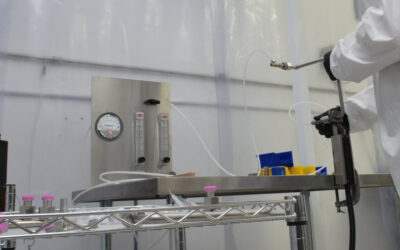
Why We Invested in Class 100 Cleanroom Capabilities
Ensuring Ultra-High Purity Standards Our Class 100 Cleanroom and oxygen-purging technology minimize contamination, ensuring welds meet the highest standards of purity required by industries like semiconductors, aerospace, defense, and pharmaceuticals. Welding in a...
ITAR Compliance for Welding and Fabrication: A Guide for Defense Contractors
Defense programs live and die by documentation, control, and repeatability. When you’re sourcing a welding or fabrication vendor for ITAR-controlled work, “good craftsmanship” is not enough—you need a shop that can prove its process controls, personnel training, and...
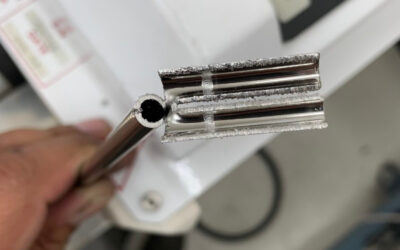
Orbital Tube Welding: A Critical Process for High-Purity and Precision Industries
In industries where precision and cleanliness are non-negotiable, such as semiconductor manufacturing, pharmaceuticals, aerospace, and food & beverage processing, achieving reliable, consistent welds is crucial to maintaining product quality and safety. Orbital...
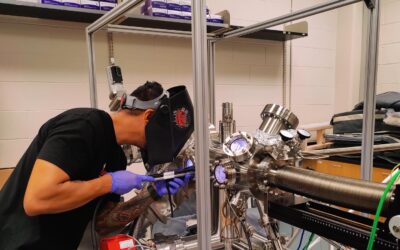
Is welding eye damage reversible?
Unfortunately, once the eyes are damaged by welding light, particularly from exposure to ultraviolet (UV) radiation, the damage is typically not reversible. However, there are treatments available to manage and alleviate the symptoms, and in many cases, the damage is...
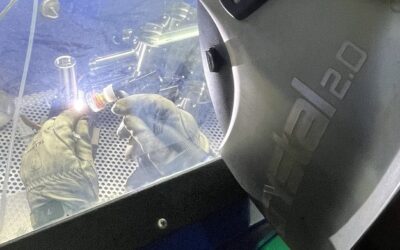
Protecting Your Eyes: Is there a safe distance?
Protecting your eyes: Is there a safe distance? The light from welding, particularly the intense ultraviolet (UV) and infrared (IR) radiation produced by the welding arc, can affect your eyes from quite a distance. The specific distance depends on several factors,...